
Does Pasta Make You Gain Weight? The Truth Explained
Share Box
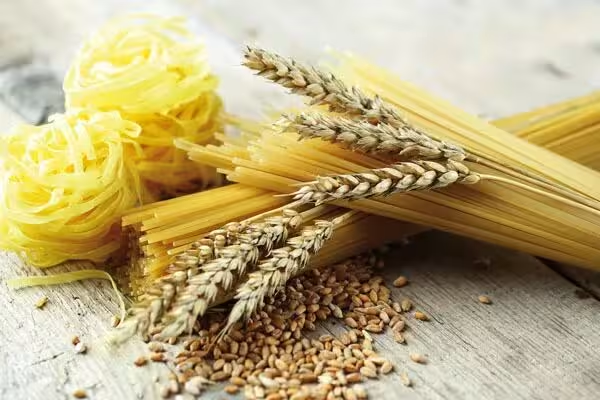
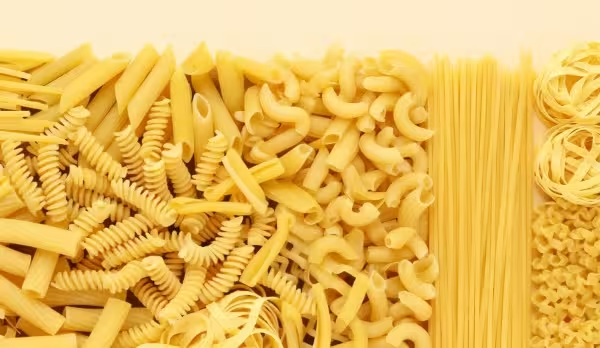
Let’s be honest—pasta has gotten a bad rap. Scroll through any fitness forum or diet group, and you’ll see the same advice over and over: “Cut out pasta if you want to lose weight.” Some people even take it a step further: “Don’t eat pasta at night—that’s the worst time.”
It’s practically become diet gospel at this point.
But here’s the thing: that advice is mostly wrong. And we’re not just saying that—a study published in The Lancet Public Health actually found that eating pasta for dinner doesn’t cause pasta weight gain. In fact, it can help people manage their weight and even improve sleep quality.
Pasta itself isn’t some magical fat-making machine. The real story is a lot more nuanced—and frankly, a lot more interesting—than the fear-mongering would have you believe.
Table of Contents
Does Pasta Make You Gain Weight? The Science Actually Says
Here’s something that might surprise you: researchers found that in Italy, about 12 million people avoid eating pasta at dinner because they’re afraid of gaining weight. But here’s the kicker—about 30% of those people ended up developing sleep problems after changing their pasta-eating habits.
The study concluded that the relationship between “weight loss and pasta” needs to be reconsidered. Pasta at dinner isn’t the enemy. In some cases, avoiding it entirely can cause more problems than eating it.
And think about this: 99% of Italians eat pasta as a staple food. They typically eat about 65% of their pasta intake at lunch and 35% at dinner. When you combine that with bread, fruits, vegetables, meat, and desserts throughout the day, the pasta consumption falls well within a reasonable range. Italians aren’t all walking around overweight—and pasta is literally their daily bread.
Why Pasta at Night Might Actually Help
Pasta contains carbohydrates along with small amounts of amino acid precursors such as tryptophan, as well as B vitamins. These nutrients are associated with important functions in the nervous system and may indirectly support sleep quality through established metabolic pathways.
Research in nutritional neuroscience suggests that tryptophan plays a key role in the production of serotonin, a neurotransmitter involved in mood regulation. Serotonin is also a precursor of melatonin, the hormone that helps regulate the sleep–wake cycle. While pasta itself is not a “sleep-enhancing food,” carbohydrate-rich meals can support the availability of tryptophan in the brain under certain dietary conditions, which may contribute to relaxation and sleep readiness.
Dr. Luca Piretta, a nutritionist and gastroenterologist affiliated with the Italian Society of Food Science (SISA), has explained in interviews that pasta can contribute to a balanced intake of nutrients involved in serotonin and melatonin synthesis. He notes that when pasta is consumed as part of a balanced meal, it may support overall well-being and relaxation through its nutritional profile, particularly when paired with other nutrient-dense foods.
Another important factor often overlooked is eating behavior, especially chewing rate. Pasta naturally encourages slower, more deliberate chewing due to its texture. From a physiological perspective, slower chewing is associated with improved satiety signaling, giving the brain more time to register fullness. This can help reduce overall food intake by supporting more mindful eating patterns.
Together, these mechanisms suggest that pasta may indirectly contribute to a more relaxed eating experience and better appetite regulation, rather than directly acting as a sleep-promoting food.
The “No Food After 7 PM” Myth
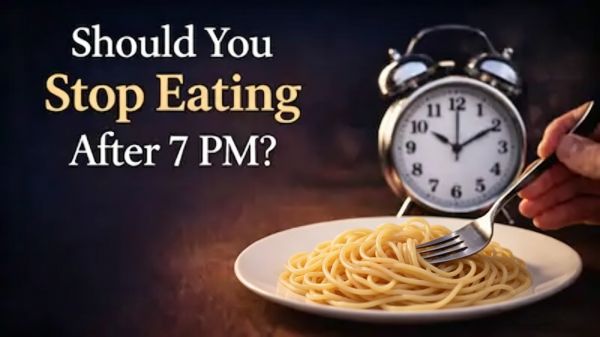
A lot of diet programs push the idea that you shouldn’t eat anything after 7 PM. Some specifically warn against pasta at dinner, claiming it leads to weight gain.
Italian nutritionist Marcello Ticca calls this out for what it is: pseudoscience.
The truth? Balanced meals support healthy weight management. What actually matters is controlling your overall calorie intake and portion sizes—not arbitrarily cutting out specific foods at specific times.
In fact, compared to meat, pasta is easier to digest. Having it at dinner can actually help with overall digestion and improve sleep quality. On the flip side, research shows that eating fatty foods at dinner can interfere with sleep and increase the risk of sleep apnea. Heavy meats can make your blood thicker and leave you feeling groggy the next day.
And here’s something ironic: people trying to lose weight often opt for big salads at dinner, thinking they’re making the “healthy” choice. But vegetables don’t provide the same satiety as pasta. You end up eating more volume to feel full, which can actually increase your overall calorie intake. Sometimes a normal portion of pasta is more satisfying and less caloric than a massive bowl of salad.
What’s Actually in Pasta?
Let’s strip away all the sauces and toppings and look at pasta on its own terms.
A 100-gram serving of dry durum wheat pasta provides about 360 calories. About 72% of that comes from complex carbohydrates, 12% from protein, and fat is practically negligible. When you cook it and add simple toppings like tomato sauce, vegetables, and olive oil, an 80-gram portion stays under 400 calories.
Compare that to other foods people consider “healthy”:
| Food (per serving) | Calories | Carbs | Protein | Fat |
|---|---|---|---|---|
| Cooked pasta (1 cup) | ~150-200 | 30-35g | 5-7g | <1g |
| Brown rice (1 cup) | ~215 | 45g | 5g | 2g |
| White rice (1 cup) | ~205 | 45g | 4g | <1g |
| Banana (medium) | ~105 | 27g | 1g | <1g |
| Potato (medium, baked) | ~160 | 37g | 4g | <1g |
| Bread (2 slices) | ~160-200 | 30g | 6g | 2g |
Yet somehow, pasta became the villain while rice and bananas got a free pass.
The Real Benefits of Eating Pasta
When you eat normal portions of pasta—especially at dinner—here’s what you’re actually getting:
Steady energy without the crash. Pasta provides complex carbohydrates that your body uses as a steady energy source. It’s not the quick spike-and-crash you get from sugary foods.
Genuine satiety. Between the fiber, carbohydrates, and starch content, pasta keeps you full for a long time. The starch digests slowly, releasing glucose gradually into your cells—which means you won’t feel hungry again quickly.
Better metabolic markers. Studies show that people who regularly eat pasta have blood triglyceride levels about 19% lower than those who avoid it. Lower triglycerides mean lower risk of heart and arterial disease.
Mood support. The glucose released from pasta’s starch indirectly promotes the synthesis of serotonin—that’s your “feel good” hormone. This might explain why a warm bowl of pasta just feels comforting.
Brain health. Research from Italian and American universities found that people who follow a Mediterranean diet with pasta as a staple have a 40% lower risk of Alzheimer’s disease compared to those who don’t eat pasta. Plant-based diets appear to protect against both atherosclerosis and age-related cognitive decline.
Complete nutrition when paired right. Pasta and legumes together create a complete protein profile that can replace animal-based proteins. This gives your body what it needs without the cholesterol that comes with heavy meat consumption. And unlike high-protein animal foods that can stress your kidneys over time, pasta provides clean-burning carbohydrate energy that doesn’t overwork your liver or kidneys.
More fiber in your diet. Regular pasta eaters have about 6% more fiber in their diets than non-pasta eaters. Fiber helps prevent cancer and cardiovascular disease.
Does Pasta Make You Gain Weight? The Portion Problem
If there’s one real issue with pasta, it’s portion control—or the complete lack of it.
Here’s a scenario that plays out constantly: someone decides to “eat healthy” and measures out a proper serving of pasta. Then they realize that proper serving looks tiny. So they add a little more. And a little more after that. Before long, they’ve accidentally made three servings.
And that’s just at home. Restaurant portions are another beast entirely. Many Italian restaurants serve pasta portions that are three, four, sometimes five times what a standard serving should be. You order a “regular” spaghetti dish, and you’re looking at 600+ calories of noodles alone—before any sauce, cheese, or bread on the side.
The math adds up fast. Eat oversized portions regularly, and yes, you’ll gain weight. But that’s true of any food, not just pasta.
Why This Myth Persists
So if the science is clear, why do people still believe pasta causes weight gain?
Diet culture loves a villain. It’s easier to tell people “don’t eat this one thing” than to explain nuance. Simplicity sells, even when it’s wrong.
Anecdotal evidence feels convincing. Someone cuts pasta, loses weight, and becomes a believer. What they don’t realize is they probably just ate fewer calories overall.
Restaurant pasta is legitimately unhealthy. If your main experience with pasta is restaurant portions drowning in cream sauce, it makes sense that you’d associate it with weight gain.
People underestimate portions. They think they’re eating one serving when they’re actually eating three. Then they blame the food instead of the portion.
Timing myths die hard. The idea that “carbs at night turn to fat” has been debunked repeatedly, but it persists because it sounds logical on the surface.
How to Eat Pasta Without the Weight Gain
If you love pasta but want to keep your weight in check, here’s what actually works:
Watch your portions. A serving is about one cup cooked, or roughly the size of your fist. Use a kitchen scale if you need to—it’s eye-opening to see how much you’ve been over-serving yourself.
Rethink your sauces. Heavy cream sauces are delicious, but they’re also calorie bombs. Try tomato-based sauces, olive oil with garlic, or even just a sprinkle of parmesan. Simple preparations can be surprisingly flavorful.
Add volume with vegetables. Want a bigger bowl without more calories? Load up on veggies. Spinach, zucchini, broccoli, bell peppers, mushrooms—they all pair beautifully with pasta and add nutrients and fiber without many calories.
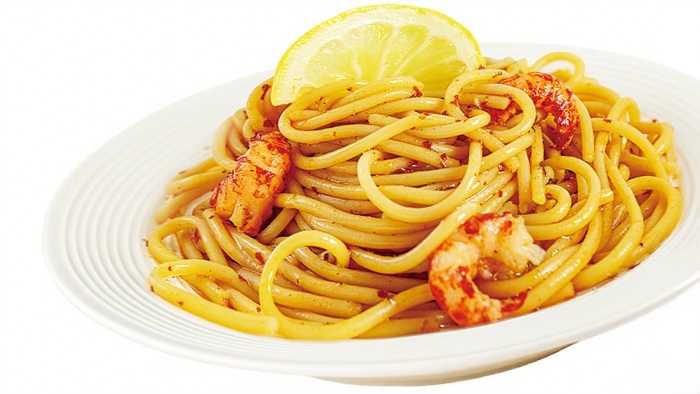
Include protein. Adding chicken, shrimp, tofu, or beans makes your pasta meal more balanced and more filling. You’ll stay satisfied longer, which means less snacking later.
Consider whole wheat or legume-based options. These have more fiber and protein, which can help with satiety. But regular pasta works too if you’re watching portions.
Don’t fear dinner. If you’re hungry at night, a reasonable portion of pasta with light toppings won’t derail your health goals. In fact, it might help you sleep better.
The Bottom Line
Pasta doesn’t make you gain weight. Overeating makes you gain weight.
The research from The Lancet Public Health is clear: eating pasta at dinner doesn’t automatically lead to weight gain. In fact, it can support weight management and improve sleep. The key is portion control and what you pair it with.
Eating pasta in massive portions with heavy cream sauces every day? Yeah, that’ll probably lead to weight gain. But so will overeating anything else.
Eating reasonable portions of pasta—yes, even at dinner—with balanced toppings as part of an overall healthy diet? That’s perfectly fine. More than fine—it’s sustainable, enjoyable, and totally compatible with maintaining a healthy weight.
The real problem isn’t pasta. It’s the all-or-nothing thinking that makes foods “good” or “bad” without context. Italians have been eating pasta daily for generations. They’re not all overweight. Maybe they’re onto something.
Life’s too short to demonize noodles.
Conclusion
So, does pasta make you gain weight? It does not. The true factors contributing to weight gain are overall caloric intake, portion sizes, and dietary balance. As long as it is consumed in moderation and paired with healthy ingredients, pasta can absolutely be part of a balanced and sustainable diet.
Understanding this helps eliminate unnecessary dietary restrictions, thereby fostering a more flexible and enjoyable approach to eating.
FAQ
Does eating pasta at night cause more weight gain?
No. Your body doesn’t have a time clock that switches on fat storage after a certain hour. What matters is your total calorie intake for the day, not when you eat. In fact, research shows pasta at dinner can actually improve sleep quality.
Is pasta bad for weight loss?
Not inherently. If it fits within your calorie goals, pasta can absolutely be part of a weight loss plan. The key is portion control and what you pair it with.
What type of pasta is best for weight management?
Whole wheat and legume-based pastas have more fiber and protein, which can help with satiety. But regular pasta works too if you’re watching portions.
Why do so many people lose weight when they cut pasta?
Usually because they’re simply eating fewer calories overall. Pasta was a significant source of their daily intake, and removing it created a calorie deficit—not because pasta itself was causing fat gain.
Can I eat pasta every day and stay healthy?
Yes—if you’re mindful of portions and balancing it with other nutritious foods. Daily pasta isn’t a problem; daily pasta binges are.
What should I eat with pasta to make it healthier?
Add lean protein (chicken, fish, tofu), plenty of vegetables, and use lighter sauces like tomato or olive oil-based preparations. Avoid heavy cream sauces and excessive cheese.


 English
  Russian
  Arabic