
Why Low-Fat Meat Products Are Essential for Modern Foodservice
Share Box

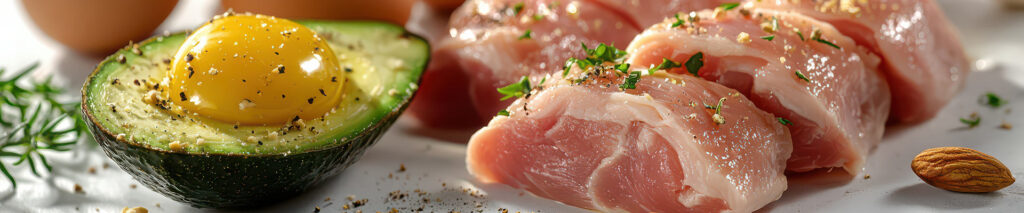
As consumer demand for healthier protein options grows, low-fat meat products are becoming a key ingredient for restaurants, meal kit brands, convenience stores, and institutional kitchens. They allow foodservice operators to offer nutritious, high-protein meals while reducing saturated fat intake, catering to health-conscious customers without compromising taste or texture.
For B2B buyers, low-fat meat products also simplify menu development, improve operational efficiency, and enable consistent portion control across multiple locations.
Table of Contents
Health Trends Driving Low-Fat Meat Adoption
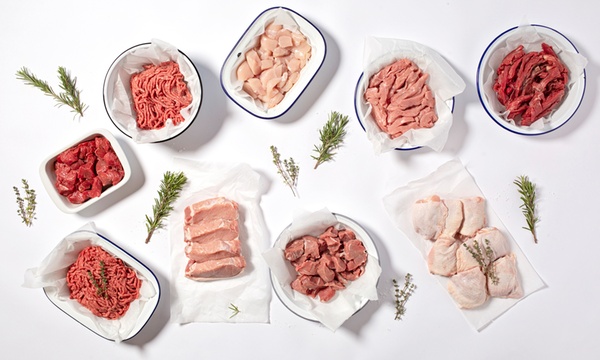
The global shift toward wellness-focused diets continues to shape foodservice menus. According to 2025 nutrition surveys, over 65% of consumers prefer meals with reduced fat content, particularly in quick-service and ready-to-eat formats.
Low-fat meat products meet this demand by:
- Providing lean protein sources
- Reducing saturated fat in recipes
- Supporting balanced meals for weight-conscious or diabetic consumers
- Aligning with emerging nutritional guidelines for schools, hospitals, and workplaces
These trends make low-fat meat products a high-demand category for both retail and foodservice channels.
Advantages of Low-Fat Meat Products for Foodservice
Low-fat meat products offer practical operational advantages in addition to health benefits.
Faster Preparation
Pre-portioned, ready-to-use products reduce cooking time and simplify menu preparation.
Consistent Quality
Standardized fat content ensures uniform texture and flavor across dishes, even in high-volume kitchens.
Menu Versatility
Low-fat meat can be used in sandwiches, pasta dishes, salads, ready-meals, or snack portions, making it adaptable to multiple meal formats.
Reduced Waste
Pre-portioned cuts minimize overcooking and plate waste, improving cost efficiency.
Compliance-Friendly
They help foodservice operators meet dietary regulations for schools, hospitals, and other institutional environments.
Popular Applications in B2B Scenarios
Low-fat meat products are versatile across multiple sectors:
Restaurants and Cafés
- Lean protein for pasta, pizza, sandwiches, and salads
- Ideal for health-focused menu items
Convenience Stores
- Pre-cooked, ready-to-eat meat for grab-and-go meals
- Works well in pasta bowls, sandwiches, and meal cups

Meal Kits and Ready-Meals
- Pre-portioned for easy assembly
- Stable flavor and texture even after reheating
Institutional Kitchens
- Controlled fat levels support dietary compliance
- Reduces preparation time for high-volume meal production
OEM and Private-Label Products
- Custom fat content, seasoning, and portion size
- Supports private-label convenience foods and ready-meal lines
Quick Service & Fast Casual Chains
- Consistent product across multiple locations
- Simplifies supply chain and inventory management
Nutritional Benefits and Consumer Appeal
Low-fat meat products retain protein content while reducing calories from fat, making them ideal for health-conscious consumers. Typical benefits include:
- 30–50% less fat compared to traditional meat cuts
- High protein content (10–15g per serving depending on cut)
- Reduced calories while maintaining taste
- Versatility across multiple cuisines and cooking styles
Incorporating low-fat meat into meals allows brands to appeal to consumers looking for healthier options without compromising flavor or satisfaction.
Operational Efficiency and Cost Management
For B2B buyers, low-fat meat products are not only about health—they also provide operational advantages:
| Benefit | How It Helps Foodservice Operations |
|---|---|
| Pre-Portioned Cuts | Reduces prep time, simplifies training |
| Consistent Fat Content | Ensures stable cooking and flavor |
| Extended Shelf Life | Reduces spoilage and waste |
| Flexible Packaging | Fits hot-bar, ready-meal, or grab-and-go formats |
| Multi-Application Use | Supports pasta dishes, salads, sandwiches, snack cups |
These operational improvements reduce labor costs, minimize errors, and help foodservice operators scale efficiently.
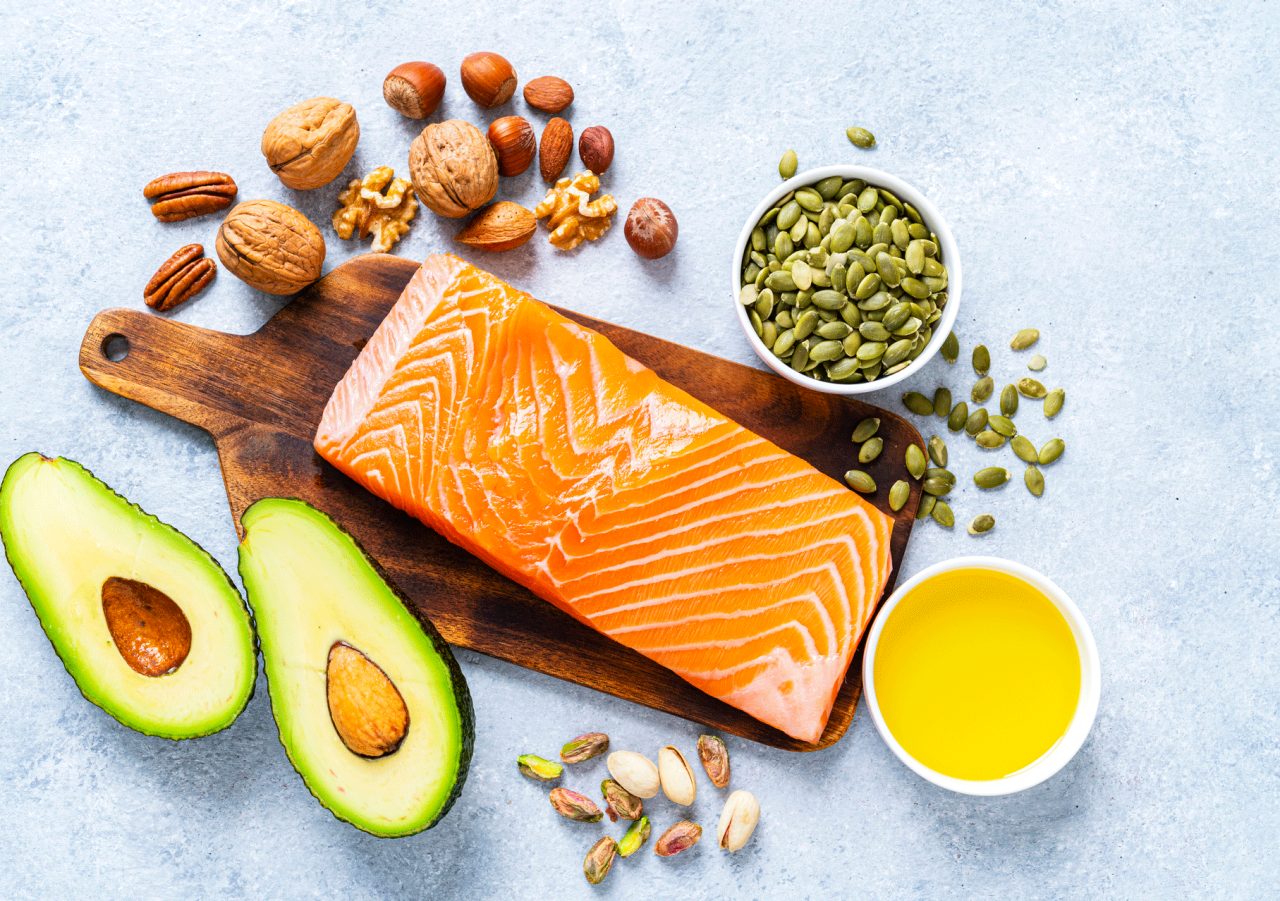
Choosing the Right Supplier for Low-Fat Meat Products
When sourcing low-fat meat for B2B operations, consider:
- Production capacity: Can the supplier scale with your business?
- Food safety standards: Are they compliant with modern certifications and quality control?
- Customization options: Can you adjust fat levels, seasoning, or portion sizes?
- Packaging flexibility: Are products suitable for ready-meals, meal kits, or convenience retail?
- R&D support: Can the supplier help develop tailored recipes and menu solutions?
Selecting a reliable partner ensures consistent product quality, supports operational efficiency, and enables brand differentiation.
Conclusion
Low-fat meat products are more than a health trend—they are a strategic tool for modern foodservice and retail operators. They deliver consistent quality, operational efficiency, and consumer satisfaction while allowing brands to meet growing nutritional demands.
With expertise in low-fat meat, quick-cooking pasta, no-cook pasta, and dry pasta, our company provides customizable solutions for restaurants, meal-kit brands, convenience stores, and OEM partners. Leveraging these products can help your business streamline operations, expand your menu, and appeal to health-conscious consumers.
FAQ
What defines a low-fat meat product?
Meat products with reduced fat content compared to traditional cuts, typically pre-portioned and ready-to-use.
Can low-fat meat be used in ready-meals?
Yes, it maintains flavor and texture even after reheating.
Is customization available for B2B buyers?
Absolutely. Fat content, seasoning, portion size, and packaging can be tailored.
Does low-fat meat save preparation time?
Yes. Pre-portioned products reduce cooking and prep time in high-volume kitchens.
Is it suitable for convenience stores?
Yes. Pre-cooked and ready-to-eat formats fit perfectly for grab-and-go meals and pasta bowls.


 English
  Russian
  Arabic