
Whole Wheat Pasta: A Nutritious Upgrade to Traditional Pasta
Share Box

With growing awareness of food quality, ingredients, and nutrition, whole wheat pasta has become a popular alternative to refined pasta. It combines the familiar comfort and versatility of traditional pasta with the added benefits of whole grains, making it an appealing choice for health-conscious consumers and culinary professionals alike.
Whole wheat pasta is no longer just a specialty product. It fits naturally into everyday meals, balanced diets, and premium ready-to-cook offerings. It provides the ideal combination of taste, texture, and nutritional value.
Table of Contents
What Is Whole Wheat Pasta
Whole wheat pasta is made from whole wheat flour, which contains the bran, germ, and endosperm of the wheat grain. Unlike refined pasta, which removes the bran and germ during processing, whole wheat pasta retains the natural components of the grain. This results in higher fiber content, additional micronutrients, and a richer, slightly nutty flavor profile.
The main ingredients are usually whole wheat flour and water, and in some formulations, additional nutrients or natural enhancers may be included to maintain texture and elasticity. Whole wheat pasta is suitable for a wide range of dishes, from hearty sauces to simple olive oil-based preparations.
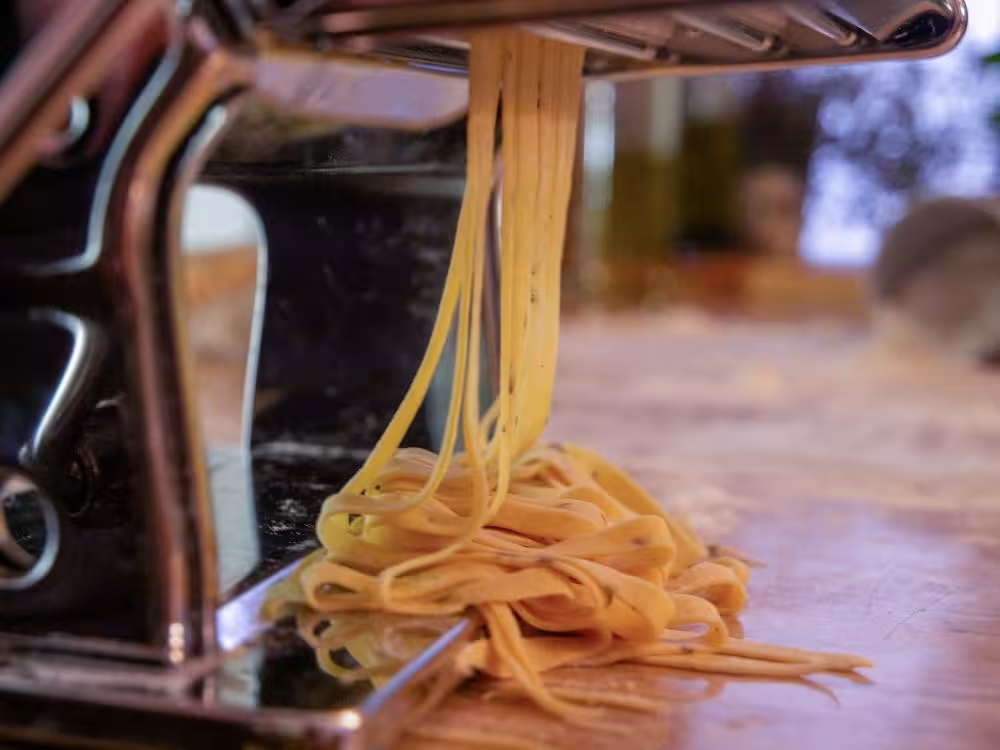
How Whole Wheat Pasta Is Made
The production of whole wheat pasta begins with careful selection of high-quality wheat grains. These grains are milled to produce whole wheat flour while preserving the integrity of the bran and germ. Water is then added to create a dough, which is shaped into various pasta forms such as spaghetti, fusilli, penne, or shells.
Drying is a crucial step to ensure shelf stability, texture, and cooking performance. Low-temperature drying preserves flavor and prevents excessive brittleness. Proper packaging, including moisture-proof bags or containers, ensures long shelf life and consistent quality.
Whole Wheat Pasta vs Refined Pasta
Understanding the differences between whole wheat and refined pasta highlights its nutritional advantages.
| Feature | Whole Wheat Pasta | Refined Pasta |
|---|---|---|
| Flour type | Whole wheat flour | Refined wheat flour |
| Fiber content | High | Low |
| Protein content | Slightly higher | Standard |
| Flavor | Nutty, rich | Mild |
| Texture | Firm, slightly denser | Smooth |
| Nutrient retention | Bran and germ retained | Bran and germ removed |
Whole wheat pasta is particularly valued for its higher fiber content, which supports digestive health, contributes to satiety, and helps stabilize blood sugar levels. It provides a more complete nutrient profile without changing the cooking experience significantly.
Taste and Texture
Whole wheat pasta has a slightly earthy, nutty flavor and a firmer texture compared to conventional pasta. When cooked al dente, it holds its shape well and provides a satisfying bite. Its surface allows sauces to cling effectively, making it versatile for a wide variety of recipes.
Pairing whole wheat pasta with robust sauces like tomato, pesto, or vegetable-based sauces can enhance the eating experience. Creamy sauces, olive oil, or light seasoning also complement its natural flavor.
Nutritional Benefits
Whole wheat pasta delivers more fiber, vitamins, and minerals than refined pasta. It contains nutrients such as magnesium, phosphorus, zinc, and B vitamins, which are partially lost in refined flour processing. According to nutrition studies, incorporating whole grains into meals supports heart health, better digestion, and weight management.
| Nutrient Comparison (per 100g cooked) | Whole Wheat Pasta | Refined Pasta |
|---|---|---|
| Calories | 150 kcal | 158 kcal |
| Protein | 6 g | 5 g |
| Fiber | 5 g | 2 g |
| Iron | 1.5 mg | 0.9 mg |
| Magnesium | 60 mg | 24 mg |
Including whole wheat pasta in meals can help achieve daily fiber and micronutrient targets without changing meal portions.
Cooking Guidelines
Whole wheat pasta generally requires slightly longer cooking times than refined pasta, typically 9–12 minutes depending on shape and thickness. Stirring occasionally during cooking ensures even hydration, and draining promptly prevents overcooking. Cooking to al dente retains firmness, chewiness, and structural integrity.
For batch cooking or ready-to-eat meals, whole wheat pasta retains texture well during reheating, making it suitable for foodservice, meal kits, or convenience products.
Shelf Life and Storage
When dried and stored properly, whole wheat pasta has a shelf life comparable to refined pasta, typically 12–18 months. Keep it in a cool, dry environment, away from direct sunlight and humidity. Packaging innovations, such as vacuum-sealed or resealable bags, can further extend freshness and prevent contamination.
Ideal Applications
Whole wheat pasta is highly versatile. It can be used in everyday meals, healthy meal planning, meal kits, and ready-to-cook or ready-to-eat products. Its balanced nutritional profile makes it suitable for family meals, fitness-focused diets, and clean-label food lines.
It pairs well with vegetables, lean proteins, and a variety of sauces, and its firm structure holds up in baked dishes, pasta salads, and mixed recipes.
Haoshiduo’s Expertise in Whole Wheat Pasta
Haoshiduo combines advanced production technology, stringent quality control, and flexible solutions to produce high-quality whole wheat pasta. From ingredient sourcing to drying and packaging, every step ensures safety, consistency, and reliable cooking performance.
The company offers customizable pasta shapes and production volumes to meet diverse consumer and market demands, maintaining strict adherence to food safety standards and nutritional expectations.

Growing Demand for Whole Wheat Pasta
Consumer preference for whole grains and functional foods is increasing globally. Whole wheat pasta sits at the intersection of convenience, taste, and nutrition. It enables brands and consumers to enjoy traditional meals with added health benefits.
Whole wheat pasta aligns with modern dietary trends, including high-fiber diets, clean-label food preferences, and plant-forward meals, ensuring relevance for years to come.
Conclusion
Whole wheat pasta offers a nutritious upgrade without compromising flavor, texture, or versatility. Its higher fiber content, richer nutrient profile, and robust texture make it an excellent choice for health-conscious consumers and culinary professionals alike.
Whether for home cooking, meal kits, or ready-to-cook offerings, whole wheat pasta provides a practical, reliable, and tasty way to enhance everyday meals while supporting balanced nutrition.
FAQ
What is whole wheat pasta made from?
It is made from whole wheat flour containing the bran, germ, and endosperm of the grain.
How long does whole wheat pasta take to cook?
Typically 9–12 minutes depending on shape and thickness.
Does whole wheat pasta taste different from regular pasta?
Yes, it has a slightly nutty flavor and firmer texture but is compatible with most recipes.
Is whole wheat pasta good for balanced meals?
Yes, it adds fiber and micronutrients without changing meal portions.
Can whole wheat pasta be used in ready-to-cook products?
Yes, it retains texture and flavor in reheated and pre-prepared meals.



 English
  Russian
  Arabic