
Pasta for Weight Loss: Enjoy Healthy, Satisfying Meals
Share Box
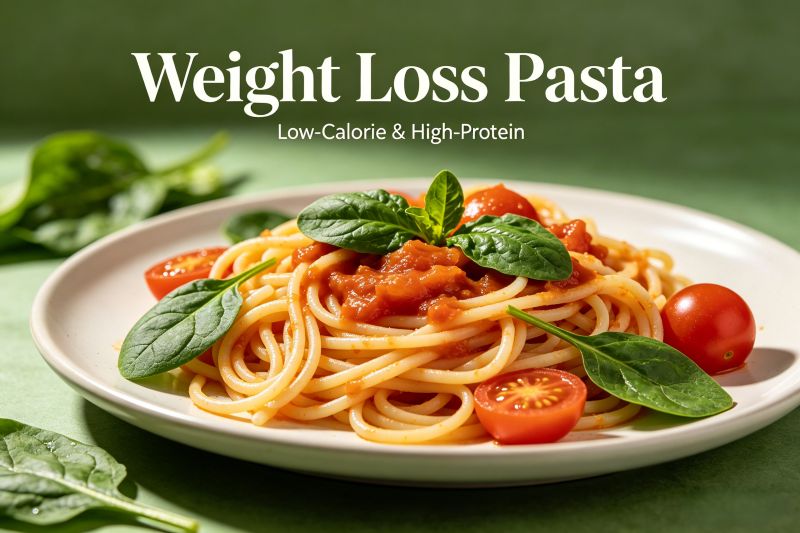
Many people mistakenly believe that pasta is incompatible with weight loss. The truth is that, when prepared wisely, pasta can be a nutritious, filling, and low-calorie meal option.The key is selecting the right type of pasta, controlling portion sizes, and pairing it with high-fiber vegetables, lean proteins, and healthy sauces. Integrating pasta into a weight-loss diet provides energy for daily activities, helps maintain satiety, and lets you enjoy flavorful meals without feeling deprived.
This guide explores strategies, meal ideas, and tips for preparing pasta that supports weight management goals.
Table of Contents
Why Pasta Can Fit into a Weight Loss Plan
Pasta provides carbohydrates, which are essential for energy. Eliminating carbs entirely can lead to fatigue, reduced metabolism, and difficulty sticking to a diet. Weight loss depends not on restriction, but on balance and portion control. Choosing whole grain or legume-based pasta increases fiber intake, slows digestion, and promotes fullness. By combining these with lean proteins and vegetables, you can enjoy satisfying meals that align with calorie goals.
Best Pasta Types for Weight Loss
Not all pasta types have the same effect on blood sugar or calorie intake. Consider the following: Whole Wheat Pasta: Higher fiber slows digestion and reduces hunger. Legume-Based Pasta: Made from chickpeas, lentils, or black beans, offering both protein and fiber. Shirataki or Konjac Pasta: Extremely low in calories and carbohydrates, ideal for very low-calorie meals. Choosing the right pasta base ensures a satisfying meal with sustained energy.
Portion Control: The Key to Success
Even healthy pasta can hinder weight loss if portions are too large. Practical tips include measuring servings at 70–100g cooked pasta per person, using the plate method with half vegetables, one quarter protein, and one quarter pasta, and avoiding heavy cream sauces in favor of tomato-based or olive oil sauces. Proper portions help prevent overeating while keeping meals satisfying.
Low-Calorie Sauces and Flavor Boosters
Sauces make a huge difference in calories. To keep pasta weight-loss-friendly, consider tomato-based sauces, vegetable purees, and herbs or spices like basil, oregano, chili flakes, and garlic. Lemon juice or small amounts of olive oil provide healthy fats in moderation, enhancing taste and satiety. Using these strategies lets you enjoy flavorful pasta while minimizing extra calories.
Protein and Fiber: Essential for Satiety
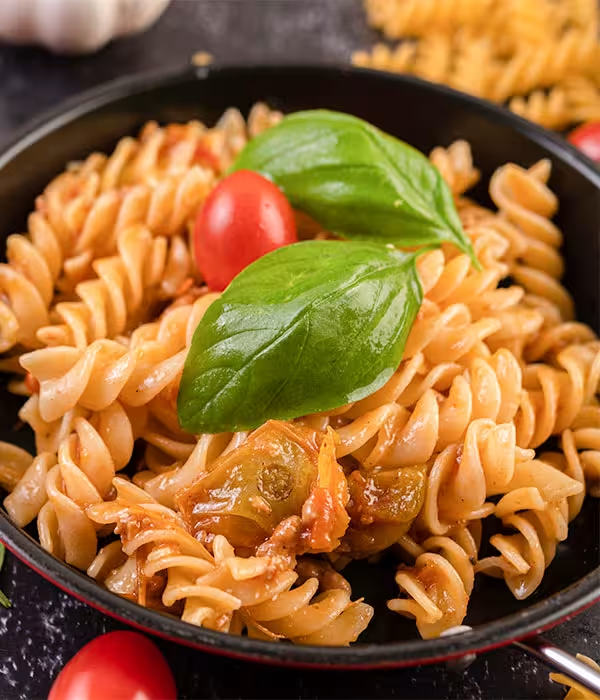
Protein and fiber are critical for fullness, appetite control, and blood sugar stability. Lean proteins such as chicken, turkey, shrimp, and tofu, legumes like chickpeas, lentils, and black beans, and vegetables such as broccoli, spinach, zucchini, and bell peppers all help create balanced pasta meals. Combining pasta with these ingredients ensures a nutritious and satisfying dish.
High-Fiber and Low-Calorie Pasta Ingredients
Incorporating high-fiber ingredients increases satiety and helps regulate digestion. Options include zucchini noodles or spiralized vegetables, beans and lentils, whole grain pasta, and leafy greens like spinach and kale. High fiber meals reduce cravings and help maintain a calorie deficit.
Quick Pasta for Weight Loss Meal Ideas
Zucchini and Tomato Pasta: Whole wheat pasta with sautéed zucchini, cherry tomatoes, and garlic. Optional grilled chicken adds protein.
Lentil Pasta with Spinach and Mushrooms: Legume-based pasta combined with sautéed spinach and mushrooms, providing fiber, protein, and micronutrients.
Shrimp and Veggie Pasta: Quick-cooked shrimp, mixed vegetables, and konjac pasta for a very low-calorie, high-protein meal.
Roasted Veggie Sauce with Pasta: Roasted vegetables blended into a low-calorie sauce with herbs and minimal olive oil.
Chickpea Penne Salad: Chilled pasta, chickpeas, fresh vegetables, and lemon-olive oil dressing, ideal for lunch or meal prep.
Nutritional Comparison Table
| Meal Idea | Pasta Type | Calories (per 100g) | Protein (g) | Fiber (g) | Key Benefit |
|---|---|---|---|---|---|
| Zucchini Tomato Pasta | Whole wheat | 120 | 5 | 7 | Low-calorie, filling |
| Lentil Pasta Spinach | Legume-based | 130 | 9 | 8 | High protein & fiber |
| Shrimp Veggie Pasta | Konjac + shrimp | 80 | 12 | 6 | Very low-calorie, high protein |
| Roasted Veggie Sauce | Whole wheat | 110 | 6 | 7 | Antioxidant-rich, low-fat |
| Chickpea Penne Salad | Legume-based | 125 | 10 | 8 | Protein-packed, light lunch |
Tips for Weight-Loss-Friendly Pasta Preparation
Cook pasta in bulk for faster weekday meals. Pre-cook proteins like chicken or shrimp to reduce daily prep time. Use frozen or pre-cut vegetables for convenience. Measure portions to avoid overeating. Pair meals with salads for extra volume and nutrients.

Benefits of Pasta Meals for Weight Loss
Provides slow-digesting carbohydrates for energy, helps maintain satiety with protein and fiber, supports balanced nutrition without deprivation, and allows flexible, satisfying meal options. These benefits make pasta a practical, sustainable component of a weight-loss plan.
Common Mistakes to Avoid
Overcooking pasta reduces texture and satisfaction. Using high-fat, creamy sauces increases calorie intake. Skipping protein reduces fullness. Ignoring portion sizes can lead to excess calories. Avoiding these mistakes ensures meals remain low-calorie and effective for weight loss.
Conclusion
Pasta can be part of a weight-loss plan when you make smart choices in type, portion, and pairing with protein and fiber. By following these guidelines, you can enjoy healthy, satisfying meals that support weight management without sacrificing flavor or convenience.
FAQ
Can I eat pasta while trying to lose weight?
Yes, with whole wheat or legume-based pasta and portion control.
What sauces are best for low-calorie pasta?
Tomato-based, vegetable-based, or light olive oil and herbs.
How much pasta should I eat for weight loss?
70–100g cooked per meal; pair with protein and vegetables.
Which pasta types are lowest in calories?
Konjac/shirataki pasta, then legume-based pasta.
Can pasta salads help with weight loss?
Yes, with lean proteins, legumes, and vegetables for a low-calorie, satisfying meal.


 English
  Russian
  Arabic