
Organic Pasta: A Clean and Natural Choice
Share Box

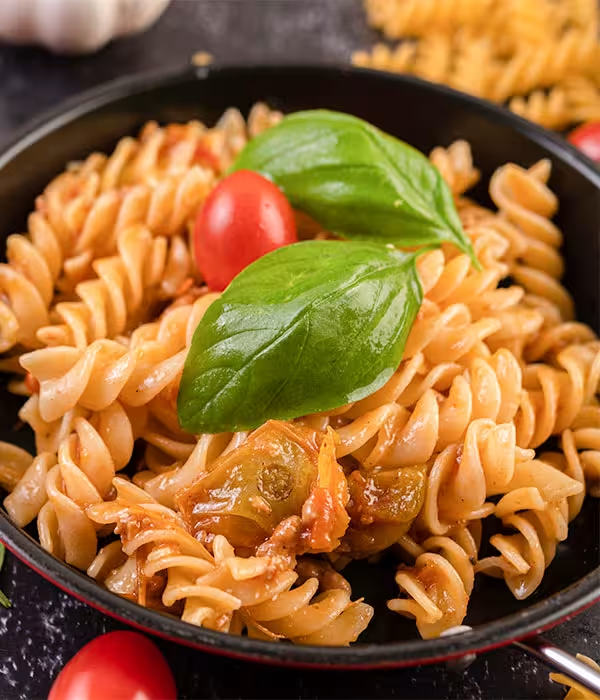
With growing awareness of food quality and ingredient transparency, organic pasta has become increasingly popular. It offers the comfort of traditional pasta while meeting modern standards for natural, responsibly sourced ingredients. Organic pasta allows consumers to enjoy familiar meals while making a mindful choice.
This article explores what organic pasta is, how it is made, its benefits, and how it fits into today’s kitchens and dining habits.
Table of Contents
What Is Organic Pasta
Organic pasta is produced from wheat grown according to certified organic standards. This means no synthetic pesticides, chemical fertilizers, or genetically modified seeds are used. Only ingredients that comply with organic regulations are included, often just organic wheat and water. The focus is on quality, traceability, and sustainability.
How Organic Pasta Is Made
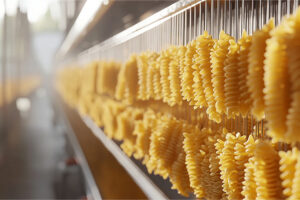
The production of organic pasta starts with high-quality organic durum wheat. Milling is done under controlled conditions to preserve nutritional content. During pasta making, only approved organic ingredients are added, and the dough is shaped into various pasta forms.
Drying is a critical step. Low-temperature drying helps retain flavor and texture while ensuring a firm, consistent product. Proper packaging then preserves quality and extends shelf life.
Organic Pasta vs Conventional Pasta
Understanding the difference between organic and conventional pasta helps highlight its value.
| Feature | Organic Pasta | Conventional Pasta |
|---|---|---|
| Wheat source | Organically grown | Conventionally farmed |
| Chemicals used | None | Fertilizers and pesticides may be used |
| Ingredient list | Minimal | May include additives |
| Traceability | High | Moderate |
| Texture | Firm and consistent | Standard |
Organic pasta appeals to those who prioritize clean ingredients and transparent production.

Taste and Texture
High-quality organic pasta maintains a firm bite and smooth surface similar to traditional pasta. It holds sauces well and is suitable for a variety of dishes, from simple olive oil pasta to rich tomato or cream-based sauces.
Nutritional Value
Organic pasta generally provides similar macronutrient content as conventional pasta. Its appeal is in the purity of ingredients and production methods, giving consumers confidence in what they are eating. Studies show that clean ingredient sourcing influences purchasing decisions for health-conscious consumers.
Cooking Guidelines
Cooking organic pasta is straightforward. It usually takes 8–11 minutes depending on the shape and thickness. Following recommended cooking times ensures optimal texture and prevents overcooking. Organic pasta can be incorporated into daily meals without changing recipes.
Shelf Life and Storage
Organic pasta, when kept in a cool, dry environment, has a shelf life comparable to regular dried pasta. Proper packaging prevents moisture exposure and maintains quality over time, making it convenient for households and retail distribution.
Ideal Applications
Organic pasta is versatile. It works well in home cooking, meal kits, ready-to-cook products, and clean-label food offerings. Its neutral taste makes it easy to pair with vegetables, proteins, and sauces, fitting seamlessly into a wide range of meal types.
Haoshiduo’s Approach
Haoshiduo produces organic pasta with a focus on quality and consistency. By managing the entire production process—from ingredient sourcing to packaging—Haoshiduo ensures organic standards are maintained. The company offers flexible options for different shapes and customized solutions to meet diverse consumer needs.

Why Organic Pasta Is Growing in Popularity
Consumer demand for organic and sustainably sourced products continues to rise. Organic pasta combines the familiarity of a global staple with the assurance of natural ingredients, appealing to both families and food enthusiasts.
Conclusion
Organic pasta is a simple way to enjoy traditional dishes with cleaner, responsibly sourced ingredients. It offers reliable quality, excellent taste, and versatility while supporting modern eating habits. For those seeking a mindful yet convenient choice, organic pasta is an excellent addition to any pantry.h modern food values, organic pasta offers a dependable, future-ready foundation built on trust and quality.
FAQ
What is organic pasta made from?
Organic pasta is made from organically grown wheat and water, produced without synthetic pesticides or chemical fertilizers.
Does organic pasta cook differently than regular pasta?
No. Organic pasta cooks similarly to regular dried pasta and follows standard cooking times.
Is organic pasta better for clean-label products?
Yes. Its minimal ingredients and certified sourcing make it ideal for clean-label food offerings.
How long is the shelf life of organic pasta?
When stored properly in a dry environment, organic pasta typically has a long shelf life similar to conventional pasta.
Can organic pasta be used in everyday meals?
Yes. Organic pasta works well in daily cooking and pairs easily with a wide range of sauces and ingredients.


 English
  Russian
  Arabic