
How Many Calories Are in a Bowl of Spaghetti?
Share Box
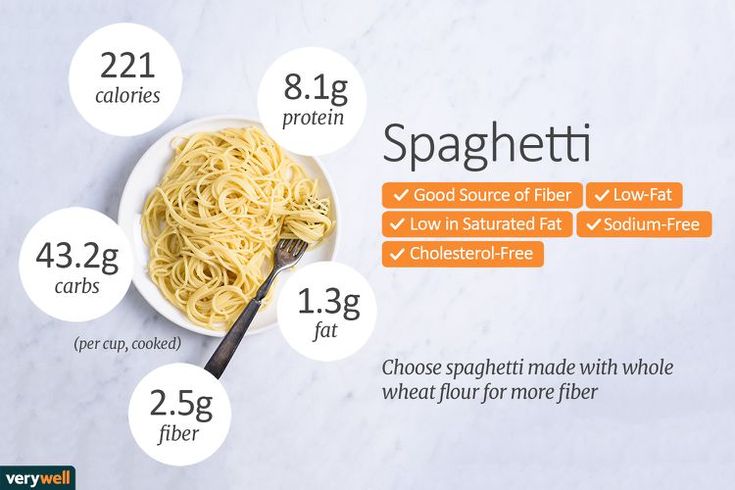
Spaghetti is a beloved comfort food worldwide, cherished for its versatility and satisfying nature. Whether you’re enjoying a classic marinara or a hearty meat sauce, understanding the calorie content of your meal is essential for maintaining a balanced diet.
In this article, we’ll explore the calorie content of a bowl of spaghetti, factors influencing its nutritional value, comparisons with other pasta types, and tips for healthier choices.

Table of Contents
Understanding Calorie Content in Spaghetti
The calorie content of spaghetti can vary based on preparation and serving size. On average, a standard serving of cooked spaghetti (about 1 cup or 140 grams) contains around 220 calories. This includes approximately 43 grams of carbohydrates, 8 grams of protein, and 1 gram of fat. However, adding sauces, toppings, or larger portions can significantly change this value.
Calories in Common Spaghetti Sauces and Toppings
| Sauce/Topping | Serving Size | Calories | Notes |
|---|---|---|---|
| Marinara Sauce | 1/2 cup | 70 | Tomato-based, low-fat |
| Alfredo Sauce | 1/2 cup | 200 | Cream-based, high-fat |
| Meat Sauce | 1/2 cup | 150 | Includes ground meat |
| Parmesan Cheese | 2 tbsp | 45 | Adds flavor and fat |
| Olive Oil | 1 tbsp | 120 | Common for drizzling |


Factors Affecting Calorie Content
Several elements influence the total calories in your spaghetti dish:
- Portion Size: Many people eat more than a standard 1-cup serving, which can double or triple calorie intake.
- Cooking Methods: Frying pasta or using extra oil adds calories compared to boiling.
- Ingredients Added: Proteins, cheeses, and oils all contribute to the total calorie count.
Comparing Spaghetti with Other Pasta Types
| Pasta Type | Calories per 1 Cup Cooked | Key Benefits |
|---|---|---|
| Traditional Spaghetti | 220 | Classic taste, versatile |
| Whole Wheat Spaghetti | 250 | Higher fiber, more nutrients |
| Gluten-Free Pasta | 210-240 | Suitable for gluten-sensitive diets |
| Spaghetti Squash | 42 | Low-calorie alternative |
Health Considerations
Spaghetti can be part of a healthy diet when paired with lean proteins, vegetables, and balanced sauces. Whole-grain options increase fiber intake, promoting satiety and better digestion. Managing portion sizes is critical to controlling calorie intake without sacrificing flavor.
Tips for Reducing Calorie Intake
- Control portion sizes using smaller plates or bowls.
- Choose tomato-based sauces over creamy ones.
- Add a variety of vegetables for volume and nutrients.
- Limit high-calorie toppings like cheese and oil.
Conclusion
Spaghetti is a delicious and versatile meal that can fit into a healthy diet when consumed mindfully. By understanding calorie content and making informed choices about sauces, toppings, and portion sizes, you can enjoy a satisfying bowl of spaghetti without compromising your health goals.
FAQ
How many calories are in a bowl of spaghetti?
A standard serving (1 cup or 140 g) contains about 220 calories, but the total depends on sauces and toppings.
Does whole wheat spaghetti have more calories than regular spaghetti?
Yes, slightly more, but it provides more fiber and nutrients.
How can I reduce the calorie content of my spaghetti meal?
Control portions, choose lighter sauces, add vegetables, and limit high-calorie toppings.
Is spaghetti squash a low-calorie alternative?
Yes, it has only about 42 calories per cup.
Can I enjoy spaghetti while maintaining a healthy diet?
Absolutely. Mindful choices in ingredients and portions make it possible.



 English
  Russian
  Arabic