
High Protein Spaghetti: A Smarter Pasta Choice
Share Box
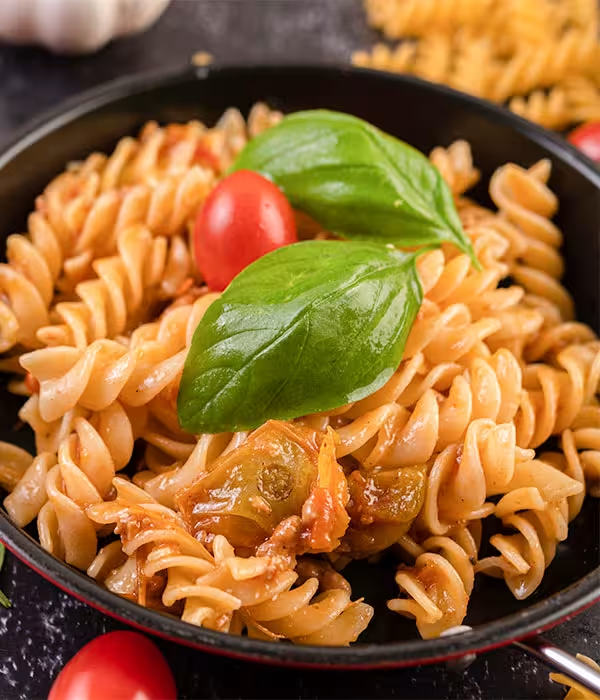

Pasta has always been valued for its comfort, versatility, and simplicity. However, as eating habits evolve and nutrition awareness increases, traditional pasta alone no longer meets every expectation. High protein spaghetti has emerged as a refined solution, combining familiar taste and texture with enhanced nutritional value. It allows pasta to remain relevant in modern diets where protein plays a central role.
Rather than replacing classic spaghetti, high protein spaghetti elevates it. It keeps what people love about pasta while addressing the growing demand for balanced, functional foods.
Table of Contents
What Is High Protein Spaghetti
High protein spaghetti is a type of dried pasta formulated to contain a significantly higher protein content than conventional wheat spaghetti. Traditional spaghetti generally provides around 10–12 grams of protein per 100 grams of dry pasta. High protein spaghetti typically ranges from 18 to 25 grams, depending on the formulation.
The increase in protein does not come from additives alone. It is achieved through ingredient selection, optimized grain blends, and advanced processing techniques that preserve and concentrate naturally occurring proteins.
Why Protein Content Matters in Pasta
Protein plays a critical role in supporting muscle maintenance, satiety, and metabolic balance. Nutrition research published by global health organizations consistently shows that meals with adequate protein help reduce excessive snacking and support more stable energy levels throughout the day.
For many consumers, pasta has traditionally been seen as carbohydrate-heavy. High protein spaghetti changes that perception by making pasta a more nutritionally complete option without requiring changes to familiar eating habits.
How High Protein Spaghetti Is Produced
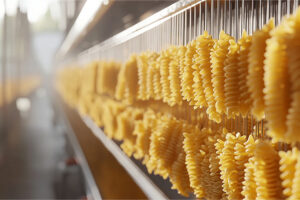
Producing high protein spaghetti requires more precision than standard pasta manufacturing. Protein-rich dough behaves differently during mixing, extrusion, and drying. It can be more elastic, more sensitive to temperature, and less forgiving during processing.
To achieve consistency, manufacturers carefully control hydration levels, extrusion pressure, and drying curves. Advanced low-temperature drying helps protect protein structure while ensuring shelf stability. The result is spaghetti that cooks evenly, maintains shape, and delivers reliable performance.
Nutritional Profile Compared to Regular Spaghetti
Understanding how high protein spaghetti compares to traditional options clarifies its value.
| Pasta Type | Protein (per 100g dry) | Carbohydrates | Texture After Cooking |
|---|---|---|---|
| Regular spaghetti | 10–12 g | Higher | Classic, firm |
| High protein spaghetti | 18–25 g | Moderate | Balanced, elastic |
| Alternative protein pasta | 20–24 g | Lower | Often denser |
High protein spaghetti offers a balance between improved nutrition and the traditional pasta experience many people expect.
Taste, Texture, and Sauce Compatibility
One of the most common concerns about protein-enriched pasta is whether it compromises taste or texture. Poorly formulated products can feel grainy or overly firm. High-quality high protein spaghetti, however, maintains a smooth surface and a familiar bite.
Its structure allows it to hold sauces effectively, whether tomato-based, cream-based, or oil-based. This compatibility makes it suitable for a wide variety of dishes without requiring recipe adjustments.

Cooking Performance and Practical Use
High protein spaghetti generally cooks at a similar pace to traditional spaghetti, reaching ideal texture in about 6–9 minutes. It tolerates slight overcooking better than some alternative protein pastas, making it more forgiving in busy kitchens.
It also performs well in reheating scenarios, retaining structure and mouthfeel in prepared meals and quick-serve formats.
Who High Protein Spaghetti Is Best Suited For
High protein spaghetti appeals to consumers seeking more from everyday meals. It fits well into active lifestyles, portion-conscious eating plans, and protein-focused diets.
From a product perspective, it works particularly well in ready meals, quick cooking solutions, and shelf-stable food offerings where nutrition and convenience must coexist.

Shelf Life and Storage Stability
Despite its enhanced protein content, high protein spaghetti remains shelf-stable when properly dried and packaged. Moisture control is key. When maintained within optimal ranges, the product preserves quality, flavor, and texture over extended storage periods.
This stability supports efficient logistics, long shelf life, and consistent performance across batches.
Haoshiduo’s Expertise in High Protein Spaghetti
Haoshiduo approaches high protein spaghetti with a focus on balance and reliability. By controlling the entire production chain—from formulation and processing to packaging—the company ensures consistent quality and performance.
Modern facilities, advanced equipment, and a dedicated research team enable Haoshiduo to develop protein-enhanced spaghetti that meets both functional and sensory expectations. Flexible production and customized solutions allow adaptation to different market needs while maintaining strict quality standards.
Market Trends Driving High Protein Pasta Demand
Global food trend analyses indicate sustained growth in protein-focused products, particularly those that integrate seamlessly into existing eating habits. Pasta, as a widely accepted staple, offers a natural platform for protein enhancement.
High protein spaghetti sits at the intersection of familiarity and innovation, making it well-positioned for long-term demand rather than short-term novelty.
Conclusion
High protein spaghetti represents an evolution of a classic staple rather than a departure from it. By delivering enhanced protein content while preserving taste, texture, and versatility, it aligns pasta with modern nutritional expectations.
For brands and product developers seeking smarter food solutions, high protein spaghetti offers a reliable foundation. With the right formulation and production expertise, it can meet both nutritional goals and consumer expectations without compromise.
If you are exploring pasta solutions that combine functionality, consistency, and modern nutrition, high protein spaghetti is a strategic choice worth considering.
FAQ
What is high protein spaghetti?
High protein spaghetti is pasta made with protein-rich ingredients, providing more protein than traditional spaghetti while maintaining a familiar taste and texture.
How much protein is in high protein spaghetti?
Most high protein spaghetti contains approximately 18–25 grams of protein per 100 grams of dry pasta, depending on the formulation.
Does high protein spaghetti taste different from regular pasta?
High-quality high protein spaghetti offers a similar flavor and firm bite, making it suitable for everyday pasta dishes.
How long does high protein spaghetti take to cook?
High protein spaghetti typically cooks in 6–9 minutes, which is comparable to standard spaghetti.
Is high protein spaghetti suitable for balanced meals?
Yes, high protein spaghetti supports balanced meals by increasing protein intake without changing familiar cooking methods.


 English
  Russian
  Arabic