
High Fiber Pasta: Boost Nutrition Without Sacrificing Taste
Share Box


In today’s health-conscious world, consumers are increasingly aware of the nutritional content of their meals. High fiber pasta has emerged as a popular solution for those seeking to enjoy traditional pasta while improving dietary fiber intake. It combines convenience, taste, and nutrition, making it a versatile choice for home cooks, culinary professionals, and manufacturers of ready-to-eat meals.
High fiber pasta is not only a staple for balanced diets but also an excellent ingredient for clean-label products and functional food offerings. This article explores the benefits, production methods, nutritional profile, culinary applications, and market trends surrounding high fiber pasta.
Table of Contents
What Is High Fiber Pasta
High fiber pasta is produced using ingredients rich in dietary fiber, including whole wheat, legumes like chickpeas or lentils, and sometimes added plant fibers. Unlike conventional refined pasta, which often contains only wheat flour stripped of bran and germ, high fiber pasta retains or adds components that increase fiber content and nutritional density.
The result is a product that supports digestive health, provides longer satiety, and delivers a more complete nutritional profile without sacrificing the taste or texture that consumers expect from pasta.
Key Ingredients in High Fiber Pasta
High fiber pasta can be made from several types of ingredients:
- Whole Wheat Flour: Retains bran, germ, and endosperm, naturally increasing fiber content.
- Legume Flours: Chickpeas, lentils, and black beans add protein and fiber while maintaining a firm texture.
- Added Fiber: In some formulations, soluble and insoluble fibers are included to boost fiber content without altering cooking properties.
- Water: Essential for dough formation and optimal texture.
These ingredients are carefully selected to balance taste, texture, and nutritional value.
Nutritional Benefits of High Fiber Pasta
Fiber is a critical component of a balanced diet. According to international nutrition guidelines, adults should aim for 25–35 grams of dietary fiber daily. Regular pasta often contains only 2–3 grams of fiber per serving, whereas high fiber pasta can provide 6–8 grams per 100 grams cooked.
Benefits of high fiber pasta include:
- Digestive Health: Fiber promotes regular bowel movements and a healthy gut microbiome.
- Satiety and Weight Management: Slower digestion helps reduce hunger and supports portion control.
- Blood Sugar Regulation: High fiber foods can moderate post-meal glucose spikes.
- Heart Health: Fiber intake is linked to lower cholesterol levels and improved cardiovascular function.
| Nutrient (per 100g cooked) | High Fiber Pasta | Regular Pasta |
|---|---|---|
| Calories | 150 kcal | 158 kcal |
| Protein | 6 g | 5 g |
| Fiber | 7 g | 2 g |
| Carbohydrates | 30 g | 31 g |
| Iron | 1.6 mg | 0.9 mg |
| Magnesium | 65 mg | 25 mg |
High fiber pasta delivers comparable calories and protein but significantly increases fiber and micronutrient intake, making it an ideal choice for health-conscious individuals.

How High Fiber Pasta Is Made
The production of high fiber pasta involves several key steps:
- Ingredient Selection: High-quality whole grains or legume flours are chosen to ensure consistent fiber content.
- Milling and Blending: Flours are finely milled and blended to achieve the desired texture and nutritional profile.
- Dough Formation: Water is added to form a smooth, elastic dough. In some cases, egg or plant-based binders may be incorporated to improve structure.
- Shaping: Dough is extruded or rolled into various pasta shapes such as spaghetti, fusilli, penne, or shells.
- Drying: Low-temperature drying preserves flavor, nutritional content, and cooking performance.
- Packaging: Proper packaging maintains freshness and extends shelf life, often using vacuum or moisture-resistant materials.
By controlling each step, manufacturers like Haoshiduo ensure high fiber pasta maintains quality, texture, and flavor while delivering nutritional benefits.
Cooking Guidelines
Cooking high fiber pasta is straightforward, though it may require slightly more time than refined pasta. Most types cook to al dente in 9–12 minutes, depending on thickness and shape.
Tips for optimal results:
- Use plenty of boiling water to prevent sticking.
- Stir occasionally to ensure even hydration.
- Taste-test at 1–2 minutes before the recommended cooking time to achieve preferred firmness.
- Pair with sauces that complement its slightly nutty flavor, such as tomato, pesto, or vegetable-based sauces.
High fiber pasta is versatile enough to be used in baked dishes, pasta salads, and ready-to-eat meals without losing texture or flavor.
Taste and Texture Experience
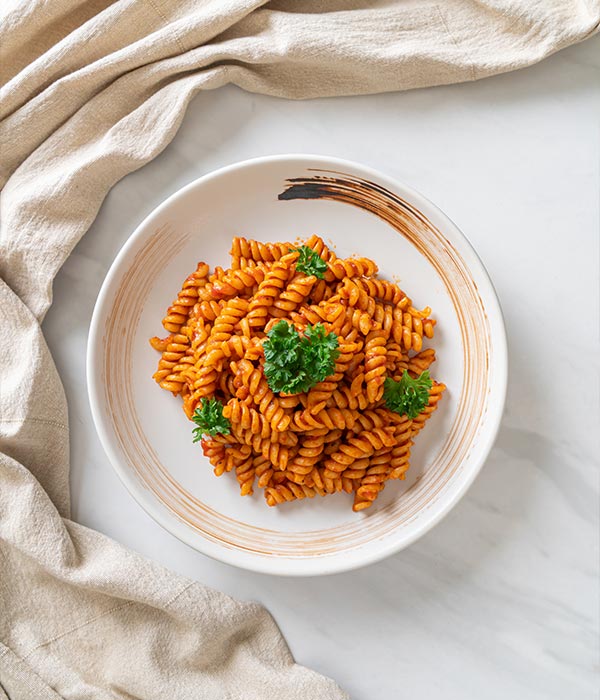
High fiber pasta offers a firm bite and slightly denser texture than conventional pasta. Its natural nutty flavor enhances dishes without overpowering other ingredients.
When paired with robust sauces or light olive oil-based dressings, high fiber pasta absorbs flavors effectively. It also performs well in mixed preparations, including grain bowls, pasta salads, and stir-fry style dishes.
Ideal Applications
High fiber pasta is suitable for multiple culinary contexts:
- Home Cooking: Easy to incorporate into daily meals for added nutrition.
- Meal Kits: Retains texture during reheating and convenient for pre-portioned meals.
- Foodservice: Works well in restaurants, cafes, and ready-to-eat meals.
- Healthy Product Lines: Perfect for clean-label, fiber-rich, or functional food products.
Its compatibility with a wide variety of sauces, vegetables, and proteins ensures it fits seamlessly into balanced diets.
Haoshiduo’s Commitment to Quality
Haoshiduo leverages advanced facilities, expert teams, and rigorous quality control to produce high fiber pasta with consistent quality and nutritional integrity. By overseeing the entire process from ingredient sourcing to final packaging, Haoshiduo delivers pasta that meets both consumer expectations and modern health standards.
The company also provides flexible options for customized pasta shapes, blends, and packaging to suit different markets and dietary preferences.
Market Trends and Consumer Insights
The global demand for fiber-rich foods is increasing as more consumers prioritize digestive health, weight management, and nutrient-dense diets. High fiber pasta is positioned perfectly to meet these trends:
- Rising Health Awareness: People are seeking convenient ways to increase fiber without changing meal routines.
- Clean-Label Preference: Minimal ingredients and natural sources of fiber attract conscious consumers.
- Convenience Foods Growth: High fiber pasta works well in ready-to-cook and ready-to-eat formats, aligning with modern lifestyles.
Industry reports indicate that fiber-rich pasta sales have grown steadily in recent years, driven by health trends and increased consumer knowledge about dietary benefits.
Conclusion
High fiber pasta provides a practical and delicious solution for improving dietary fiber intake. With its firm texture, nutty flavor, and versatile cooking applications, it meets both nutritional and culinary needs.
Whether for daily home cooking, meal prep, or ready-to-eat products, high fiber pasta is an effective way to enhance meals, support digestive health, and align with modern dietary trends. It represents a convenient, tasty, and nutritionally conscious choice for consumers.
FAQ
What is high fiber pasta made from?
It is made from whole grains, legumes, or added plant fibers to increase dietary fiber content.
How long does high fiber pasta take to cook?
Typically 8–12 minutes, depending on the pasta shape and thickness.
Does high fiber pasta taste different from regular pasta?
It has a slightly nutty flavor and firmer texture but integrates well into most recipes.
Is high fiber pasta suitable for daily meals?
Yes, it provides additional fiber and nutrients while maintaining familiar pasta taste.
Can high fiber pasta be used in ready-to-eat meals?
Yes, it holds texture and flavor during reheating and meal kit preparation.


 English
  Russian
  Arabic