
Fitness Pasta: How to Choose and Cook for Optimal Results
Share Box

In recent years, pasta has undergone a remarkable transformation in the fitness world. Once dismissed as a “carbo-loaded enemy” by many health-conscious individuals, pasta is now being reevaluated as a valuable source of energy and nutrition for athletes and fitness enthusiasts alike. This shift in perception is driven by scientific research and innovative product developments that highlight pasta’s potential to support active lifestyles.
Table of Contents
The nutritional benefits of fitness pasta for fitness enthusiasts

Key findings from the International Pasta Organization’s scientific consensus statement
The International Pasta Organization (IPO) commissioned a scientific consensus statement in 2010, which was signed by 29 scientists from 9 countries. The statement analyzed the latest scientific literature on carbohydrates and pasta, and concluded that fitness pasta is a healthy, complex carbohydrate that can be incorporated into most diets when consumed in moderation along with other healthy foods. Here are some of the key findings from the statement:
| Finding | Details |
|---|---|
| Nutrient intake | Pasta consumers have significantly higher intakes of folate, iron, magnesium, fiber, and several vitamins compared to non-consumers. |
| Weight management | In adult women, pasta consumption is associated with lower BMI, body weight, and waist circumference. |
| Diabetes management | Pasta intake is not associated with poorer glycemic control or increased adiposity in individuals with type 2 diabetes when consumed in the right quantities. |
| Appetite control | Whole-grain pasta enhances satiety and reduces hunger in the short term, without leading to increased food intake later in the day. |
| Cardiovascular health | Higher pasta consumption is linked to a lower risk of atherosclerotic cardiovascular disease and stroke in postmenopausal women. |
| Antioxidant compounds | Buckwheat and egg-based pastas exhibit higher levels of polyphenols and antioxidant compounds, which can enhance cellular resilience to oxidative stress. |
| Intestinal health | Pasta enriched with inulin can promote the growth of beneficial gut bacteria and increase the production of short-chain fatty acids. |
| Mental well-being | Pasta contains tryptophan, which can influence serotonin levels and contribute to a positive mood. |
| Environmental impact | Pasta has a relatively low environmental impact compared to other foods, especially when compared to meat-based meals. |
Complex carbohydrates for sustained energy
Pasta is primarily composed of complex carbohydrates, which are the body’s preferred source of energy. Unlike simple sugars, which provide a quick burst of energy followed by a crash, complex carbohydrates are digested slowly, providing a steady supply of fuel for the body. This makes fitness pasta an ideal pre-workout meal, as fitness pasta can help to optimize glycogen storage and sustain performance during prolonged activity.
According to a study published in the Journal of the International Society of Sports Nutrition, consuming pasta as part of a balanced pre-exercise meal can support stable glycemia and delayed fatigue in endurance athletes. The study found that athletes who ate pasta before a cycling time trial had better performance and perceived less exertion compared to those who ate a low-carbohydrate meal.
Protein and fiber for muscle recovery and satiety
While pasta is not typically considered a high-protein food, pasta does contain a significant amount of plant-based protein. A 100-gram serving of dry pasta provides approximately 12 grams of protein, which is about 13% of the daily recommended intake for an adult. When combined with other protein sources such as lean meats, fish, or legumes, fitness pasta can contribute to muscle recovery and growth.
In addition to protein, pasta is also a good source of dietary fiber. Whole-grain pasta, in particular, is rich in fiber, which can help to promote satiety, regulate digestion, and support heart health. A study published in the American Journal of Clinical Nutrition found that whole-grain pasta can enhance satiety and reduce hunger in the short term, without leading to increased food intake later in the day.
Micronutrients for overall health
Pasta is also a good source of several micronutrients that are important for overall health and fitness. These include:
- Folate: A B vitamin that is essential for cell growth and division, and for the production of red blood cells.
- Iron: A mineral that is necessary for the transport of oxygen in the blood and for energy production.
- Magnesium: A mineral that is involved in over 300 enzymatic reactions in the body, including energy production, muscle contraction, and protein synthesis.
- Vitamin B6: A B vitamin that is important for brain function, mood regulation, and the metabolism of proteins and carbohydrates.
How to choose the right fitness pasta for fitness
Market trends in low-fat pasta
According to a report by Fact.MR, the low-fat pasta market is expected to grow significantly in the coming years. Here are some key market data:
| Metric | Value |
|---|---|
| Market size in 2025 | USD 1.7 billion |
| Projected market size in 2035 | USD 3.0 billion |
| Compound annual growth rate (CAGR) | 5.6% |
| Leading regions | Europe (dominant market share), North America (fastest growth), Asia Pacific (emerging market) |
| Key drivers | Increasing health awareness, demand for complex carbs and gluten-free options, rising fitness consciousness among millennials |
| Key players | Barilla Holding, Nestle, De Cecco, Mafka, Armanino Foods of Distinction Inc, Tree House Foods Inc., ITC Limited, Conagra Brands, General Mills, Inc., Nissin Foods, Ajinomoto Co, Inc. |
Whole-grain vs. refined pasta
When choosing pasta for fitness, one of the most important decisions is whether to opt for whole-grain or refined pasta. Whole-grain pasta is made from whole wheat flour, which contains all parts of the wheat kernel, including the bran, germ, and endosperm. This makes whole-grain pasta a good source of fiber, protein, and micronutrients.
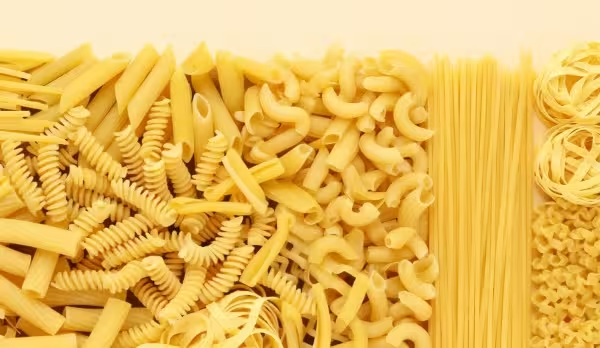
Refined pasta, on the other hand, is made from white flour, which has had the bran and germ removed. This process removes most of the fiber and micronutrients, leaving behind mostly carbohydrates. While refined pasta is still a good source of energy, refined pasta is less nutritious than whole-grain pasta.
A study published in the Journal of Nutrition found that whole-grain pasta can help to improve blood sugar control and reduce the risk of type 2 diabetes compared to refined pasta. The study also found that whole-grain pasta can help to lower cholesterol levels and reduce the risk of heart disease.
High-protein fitness pasta
In recent years, there has been a growing trend towards high-protein pasta products. These products are typically made from a blend of wheat flour and other protein sources such as soy, pea, or whey protein. High-protein pasta can provide up to 25 grams of protein per serving, which is about twice as much as regular pasta.
High-protein pasta is a good option for fitness enthusiasts who are looking to increase their protein intake without consuming too many calories. High-protein pasta can also be a good choice for vegetarians and vegans who may struggle to meet their protein needs from plant-based sources.
Gluten-free pasta
For individuals with gluten intolerance or celiac disease, gluten-free pasta is a necessary option. Gluten-free pasta is typically made from rice, corn, quinoa, or other gluten-free grains. While gluten-free pasta is not necessarily more nutritious than regular pasta, gluten-free pasta can be a good choice for those who need to avoid gluten.

How to cook pasta for optimal nutrition and taste
The right water-to-pasta ratio
One of the most important factors in cooking pasta is using the right water-to-pasta ratio. A general rule of thumb is to use 4 to 6 quarts of water per pound of pasta. This ensures that pasta has enough room to move around and cook evenly, and it helps to prevent pasta from sticking together.

Salting the water
Adding salt to the cooking water is another important step in cooking pasta. Salt not only enhances the flavor of pasta, but it also helps to season pasta from the inside out. A good rule of thumb is to add about 1 to 2 tablespoons of salt per 4 quarts of water.
Cooking time
The cooking time for pasta can vary depending on the type of pasta and the desired texture. Most pasta packages will provide a recommended cooking time, but it is important to taste pasta as pasta cooks to ensure that pasta is cooked to your liking.
For al dente pasta, which is slightly firm to the bite, the cooking time should be about 1 to 2 minutes less than the recommended time. For softer pasta, the cooking time can be extended by 1 to 2 minutes.
Storing leftover pasta
If you have leftover pasta, it is important to store pasta properly to maintain pasta’s quality and nutrition. Leftover pasta can be stored in an airtight container in the refrigerator for up to 3 days, or in the freezer for up to 2 months.
To reheat leftover pasta, you can either microwave pasta or heat pasta in a pan with a little bit of water or sauce. It is important to stir pasta occasionally to ensure that pasta heats evenly.
Delicious and nutritious fitness pasta recipes for fitness enthusiasts
High-protein chicken and vegetable pasta

Ingredients:
- 8 ounces of whole-grain pasta
- 1 pound of boneless, skinless chicken breast, cut into bite-sized pieces
- 2 cups of mixed vegetables (such as broccoli, bell peppers, and zucchini), chopped
- 2 cloves of garlic, minced
- 1 tablespoon of olive oil
- 1/2 cup of low-fat chicken broth
- 1/4 cup of grated Parmesan cheese
- Salt and pepper to taste
Instructions:
- Cook pasta according to the package instructions. Drain and set aside.
- Heat the olive oil in a large skillet over medium heat. Add the chicken and cook until browned and cooked through, about 5 to 7 minutes. Remove the chicken from the skillet and set aside.
- Add the garlic and vegetables to the skillet and cook until the vegetables are tender, about 5 to 7 minutes.
- Add the chicken broth to the skillet and bring to a simmer. Add the cooked pasta and chicken to the skillet and toss to combine.
- Sprinkle with Parmesan cheese and season with salt and pepper to taste.
Vegetarian lentil and spinach pasta

Ingredients:
- 8 ounces of whole-grain pasta
- 1 cup of dry lentils, rinsed
- 2 cups of vegetable broth
- 2 cups of fresh spinach
- 2 cloves of garlic, minced
- 1 tablespoon of olive oil
- 1/4 cup of grated Parmesan cheese
- Salt and pepper to taste
Instructions:
- Cook pasta according to the package instructions. Drain and set aside.
- Heat the olive oil in a large pot over medium heat. Add the garlic and cook until fragrant, about 1 minute.
- Add the lentils and vegetable broth to the pot and bring to a boil. Reduce the heat to low, cover, and simmer until the lentils are tender, about 20 to 25 minutes.
- Add the spinach to the pot and cook until wilted, about 2 to 3 minutes.
- Add the cooked pasta to the pot and toss to combine.
- Sprinkle with Parmesan cheese and season with salt and pepper to taste.
Conclusion
Pasta is a versatile and nutritious food that can be a valuable part of a fitness enthusiast’s diet. By choosing the right type of pasta and cooking pasta properly, you can enjoy a delicious and satisfying meal that provides sustained energy and supports your fitness goals.
Whether you are an endurance athlete looking to optimize your performance, a strength trainer looking to build muscle, or simply someone who wants to eat a healthy and balanced diet, pasta can be a great choice. So next time you are planning your meals, don’t be afraid to include fitness pasta on the menu.
Remember, the key to a healthy diet is balance and moderation. By combining pasta with a variety of other nutritious foods such as lean proteins, vegetables, and fruits, you can create a diet that is both delicious and healthy.
So go ahead, grab a fork, and enjoy a bowl of pasta that is good for you and your fitness goals! →


 English
  Russian
  Arabic