
Everything You Need to Know About Spiral Shaped Pasta
Share Box


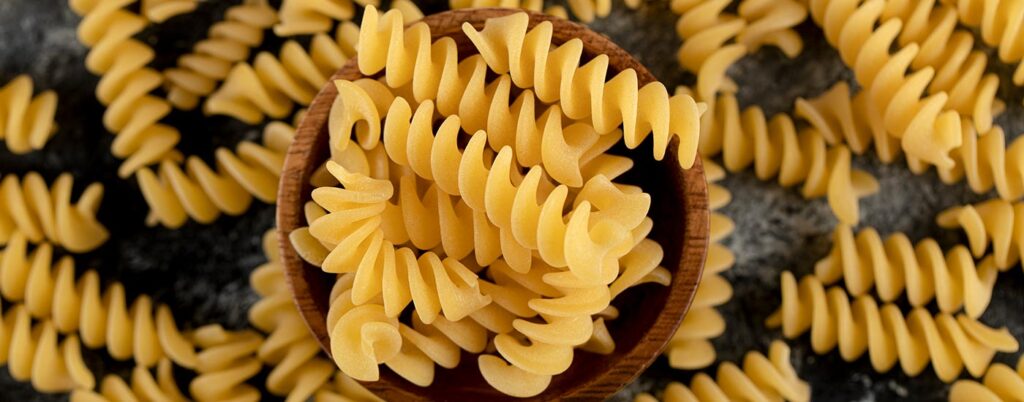
Spiral pasta, often known as fusilli or rotini, has become a staple in kitchens around the world. With its unique spiral design, this pasta is more than just visually appealing—it serves a functional purpose in holding sauces, making it a perfect choice for a wide variety of dishes. Whether you’re cooking for yourself, your family, or preparing meals for a larger group, spiral-shaped pasta offers the perfect balance of convenience and versatility.
In this blog post, we’ll explore everything you need to know about spiral pasta—from its origins to its culinary applications and why it should be part of your pantry.
Table of Contents
The Origin and Evolution of Spiral Pasta
Pasta, in its many forms, has been around for centuries. Spiral-shaped pasta, or fusilli, traces its origins to Southern Italy, where it was traditionally hand-rolled using a knitting needle or a similar tool. Over time, it evolved into the more standardized machine-made versions we recognize today, like rotini and cavatappi.
Interestingly, spiral shapes are particularly efficient at holding sauces due to their design. The spiral grooves allow for more sauce to cling to the pasta, which is why it’s a favorite for hearty, rich sauces like tomato-based or creamy Alfredo.
Why Spiral-Shaped Pasta Holds More Sauce
One of the biggest advantages of spiral-shaped pasta is its ability to hold sauce better than many other pasta shapes. Unlike flat pasta like spaghetti or linguine, the spirals create natural grooves and pockets that trap sauce, ensuring that each bite is packed with flavor. This makes spiral-shaped pasta the go-to option for dishes that require a lot of sauce, such as pasta bakes, casseroles, or simple pasta with a tomato-based or creamy sauce.
| Pasta Type | Sauce Holding Ability | Best Suited For |
|---|---|---|
| Spiral-Shaped Pasta | High | Hearty sauces, pasta bakes, casseroles |
| Spaghetti | Low | Light sauces, oil-based sauces, simple dishes |
| Penne | Moderate | Chunky sauces, simple meat sauces |
This chart highlights how the different pasta shapes compare when it comes to sauce absorption. As you can see, spiral-shaped pasta excels in this area, making it the best choice for rich and saucy dishes.
How to Cook Spiral Shaped Pasta Perfectly

Cooking spiral pasta might seem like a simple task, but some tips and tricks will make sure your pasta comes out perfectly every time. Here are the steps for preparing the best spiral pasta:
- Bring a large pot of water to a rolling boil. Make sure there’s plenty of water to allow the pasta to move around freely.
- Add salt to the water. A tablespoon of salt for every 4 liters of water is a good rule of thumb. It helps enhance the pasta’s flavor.
- Add the pasta. Stir occasionally to prevent it from sticking together.
- Cook for 8-10 minutes or according to the package instructions for al dente texture.
- Drain and serve immediately with your favorite sauce or in a pasta bake.
Remember, the key to perfect pasta is to cook it al dente—firm to the bite—so that it doesn’t become mushy when mixed with sauces.
The Nutritional Benefits of Spiral Shaped Pasta
When it comes to nutritional benefits, spiral pasta is just as good as any other pasta, but with the bonus of being a great vehicle for delivering healthy ingredients. Whether you’re adding vegetables, lean protein, or plant-based options, spiral pasta ensures you get all the flavors packed in each bite.
- High in Carbohydrates: Pasta is a good source of energy, providing essential carbohydrates for active individuals.
- Can Be Gluten-Free: Many brands offer gluten-free spiral pasta made from rice flour, quinoa, or other gluten-free grains, providing options for those with dietary restrictions.
- Full of Fiber (Whole Wheat Options): For an added nutritional boost, choose whole wheat spiral pasta, which provides more fiber and micronutrients compared to regular pasta.
Adding lean proteins, fresh vegetables, or legumes to your spiral pasta dishes can elevate your meal, making it even more nutritious and filling.
Creative Recipes Using Spiral Shaped Pasta
One of the best things about spiral shaped pasta is its versatility. Here are some creative ways to use spiral pasta in your kitchen:
- Spiral Pasta Salad: Perfect for summer gatherings, a quick pasta salad can be made by tossing spiral pasta with veggies like bell peppers, cherry tomatoes, and cucumbers and dressing it with olive oil and vinegar.
- Baked Spiral Pasta Casserole: Mix cooked spiral pasta with a cheesy sauce, bake until golden and bubbly, and enjoy a delicious and filling meal.
- Creamy Chicken and Spiral Pasta: Create a creamy chicken and pasta dish by cooking the pasta with chicken, spinach, and a creamy Alfredo sauce for a comforting dinner.
The possibilities are endless with spiral shaped pasta—from cold salads to warm, comforting casseroles.
The Best Sauces to Pair with Spiral Pasta

Not all sauces work equally well with every type of pasta, but spiral-shaped pasta is highly adaptable. Here are some of the best sauces to pair with spiral-shaped pasta:
- Tomato-Based Sauces: The spirals trap the tangy tomato sauce in each groove, creating a satisfying bite. Try it with marinara, arrabbiata, or a rich bolognese.
- Creamy Sauces: Alfredo, carbonara, or any cheese-based sauce will cling to the pasta’s twists, making each forkful rich and flavorful.
- Pesto: The spiral shape holds the herbal pesto sauce better than flat pasta, giving each bite an intense flavor.
- Oil and Garlic Sauces: Spiral-shaped pasta is perfect for light, olive oil-based sauces. Toss with garlic, red pepper flakes, and Parmesan for a quick and delicious dish.
Conclusion
Spiral-shaped pasta is more than just a visually appealing choice; it’s a practical, versatile, and delicious option for all kinds of dishes. Its ability to hold sauces makes it ideal for hearty, flavorful meals, and its unique shape adds a touch of fun to your plate. Whether you’re making a simple pasta dish, a complex casserole, or a fresh salad, spiral-shaped pasta is a staple worth having in your pantry.
If you’re looking for quick and easy meal ideas or simply want to make your next pasta dish more exciting, don’t forget to stock up on spiral-shaped pasta. It’s a timeless favorite that never goes out of style.
FAQ
How long does it take to cook spiral-shaped pasta?
It typically takes 8-15 minutes to cook spiral-shaped pasta to al dente. Always check the packaging for specific instructions.
Can I use spiral-shaped pasta for cold pasta salads?
Yes! Spiral-shaped pasta is perfect for cold pasta salads, as the shape helps hold onto dressings and ingredients.
Is spiral-shaped pasta gluten-free?
Yes, gluten-free versions of spiral-shaped pasta are available, made from rice flour, quinoa, or corn.
Can spiral-shaped pasta be used in baked dishes?
Absolutely! Spiral-shaped pasta is great for pasta bakes or casseroles, as its shape holds sauces and cheese very well.



 English
  Russian
  Arabic