
Easy Meals Made Better: Pasta Cups
Share Box
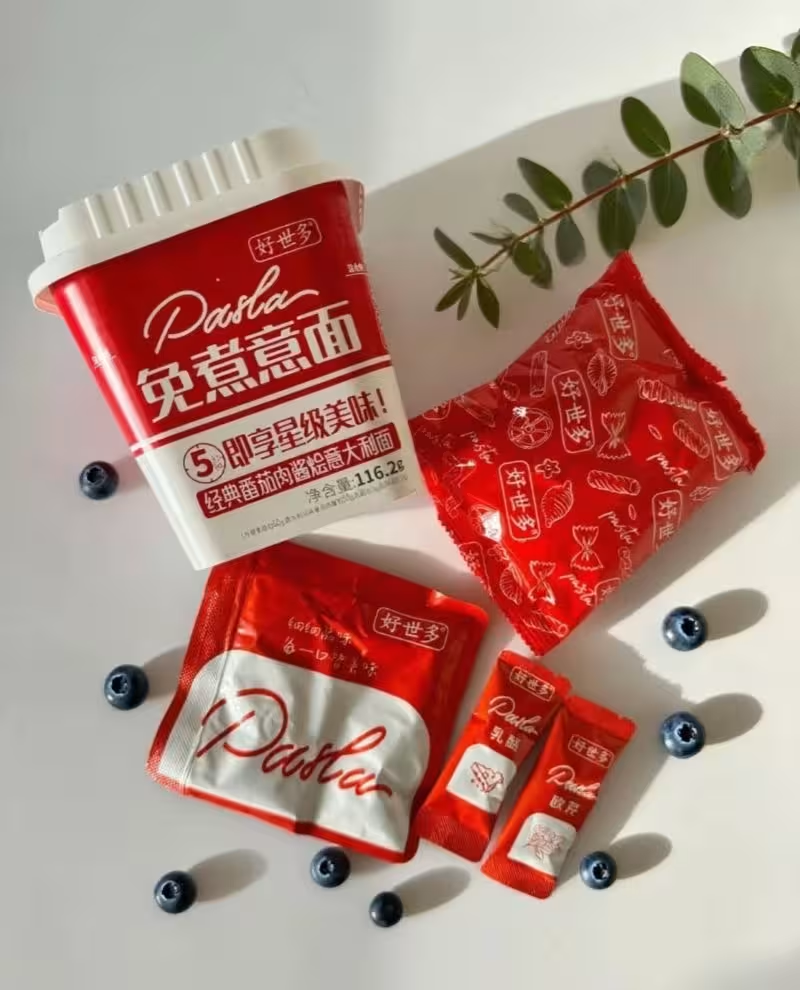

Modern eating habits are shaped by speed, flexibility, and limited cooking time. As daily schedules become more fragmented, people increasingly look for meals that are easy to prepare, satisfying, and familiar. Pasta cups fit naturally into this shift by transforming a traditional comfort food into a modern, ready-to-eat format.
Instead of replacing classic meals, pasta cups serve a different role. They offer reliability when time, space, or cooking facilities are limited, while still delivering warmth, texture, and flavor that feel like a real meal.
Table of Contents
The Changing Way People Think About Meals
Meals are no longer limited to kitchens and dining tables. People eat at desks, on trains, between meetings, or during short breaks. This shift has influenced how food is designed, packaged, and consumed.
Pasta cups respond to this reality by removing common barriers. They require no full kitchen setup, no cooking skills, and almost no cleanup. This simplicity allows pasta to remain relevant in fast-paced environments without losing its identity as a filling and familiar dish.
Why Pasta Cups Appeal to a Wide Range of Consumers
One of the strongest advantages of pasta cups is their broad appeal. They are not limited to a single age group or lifestyle.
Office workers value speed and portion consistency. Students appreciate ease of preparation. Travelers rely on shelf stability and portability. Even at home, pasta cups work as dependable backup meals during busy days.
This flexibility makes pasta cups a practical choice rather than a niche product.
Convenience That Aligns With Daily Routines
Convenience works best when it fits naturally into everyday habits. Foods designed for modern life must be predictable and easy to integrate.
Pasta cups store easily, travel well, and prepare consistently. For people managing unpredictable schedules, this reliability reduces stress around meal decisions and supports more regular eating patterns.
Texture and Satisfaction Still Matter
A common concern with instant meals is texture quality. Poorly designed products can feel soft or uneven after preparation.
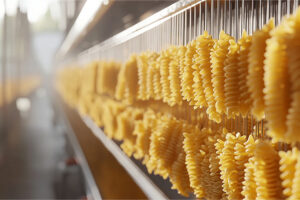
Well-developed pasta cups address this by using pasta shapes and drying methods that rehydrate evenly. When prepared properly, the pasta maintains structure and bite, while sauces distribute smoothly instead of separating or thinning.
This balance between convenience and eating experience plays a key role in repeat use.
Ingredient Direction and Clean Formulations
Ingredient awareness continues to influence food choices. Pasta cups increasingly reflect this trend through simpler and more recognizable formulations.
Many focus on straightforward grain-based pasta and vegetable-forward sauces, avoiding unnecessary complexity. These choices help pasta cups feel closer to everyday meals and increase consumer trust over time.

Typical Use Scenarios for Pasta Cups
Pasta cups are not tied to a single eating occasion. Their strength lies in adaptability across different situations.
They are commonly used during short lunch breaks, travel without kitchen access, remote workdays, and as backup meals when time is limited. This range of use cases encourages households to keep pasta cups available even if they are not consumed daily.
Pasta Cups vs. Traditional Pasta Meals
Although both formats use pasta as the foundation, they serve different needs. Pasta cups focus on speed and convenience, while traditional pasta meals emphasize cooking and customization.
| Aspect | Pasta Cup | Traditional Pasta Meals |
|---|---|---|
| Preparation time | Minimal | Longer |
| Cooking equipment | Very limited | Full kitchen |
| Portion control | Pre-measured | Variable |
| Storage | Shelf-stable | Often refrigerated |
| Cleanup | Minimal | Multiple utensils |
| Best use cases | Busy or mobile situations | Planned meals |
This comparison highlights how pasta cups complement, rather than replace, traditional pasta dishes.
Flavor Variety Keeps Engagement High
Flavor diversity is essential for long-term interest. Pasta cups offer multiple sauce styles while keeping preparation identical.
Common profiles include tomato-based blends, mild creamy styles, and vegetable-inspired options. This allows users to rotate flavors without changing routines, increasing overall satisfaction.
Portion Awareness and Reduced Waste
Built-in portion control is another advantage of pasta cups. Each serving is clearly defined, helping reduce food waste and avoid over-preparation.
For individuals and small households, this predictability simplifies planning and supports more efficient consumption.

Why Pasta Cups Continue to Gain Attention
The continued growth of pasta cups reflects broader shifts toward flexible, dependable food solutions. They are not designed to replace home cooking, but to support modern lifestyles when traditional preparation is impractical.
As texture, flavor, and formulation continue to improve, pasta cups are increasingly seen as a reliable everyday option rather than an occasional fallback.
For anyone seeking a warm, satisfying meal that fits into real-world schedules, pasta cups offer a practical and consistent solution.
Want to bring convenient, delicious pasta cups to your business or menu? Contact us today to discuss custom solutions, packaging options, and sample requests. Our team is ready to help you get started.
FAQ
What are pasta cups?
Pasta cups are single-serve meals made with dried pasta and sauce, designed to be prepared quickly with hot water or heating.
How do you prepare pasta cups?
Most pasta cups only need hot water or a short heating time to make the pasta fully cooked and ready to eat.
Are pasta cups suitable for busy lifestyles?
Yes. Pasta cups are designed for quick meals at work, school, travel, or any time cooking space is limited.
How long do pasta cups take to make?
Preparation usually takes just a few minutes, depending on the pasta type and portion size.
Do pasta cups offer the same texture as traditional pasta?
Well-made pasta cups use pasta shapes that rehydrate evenly, helping maintain a firm and satisfying texture.


 English
  Russian
  Arabic